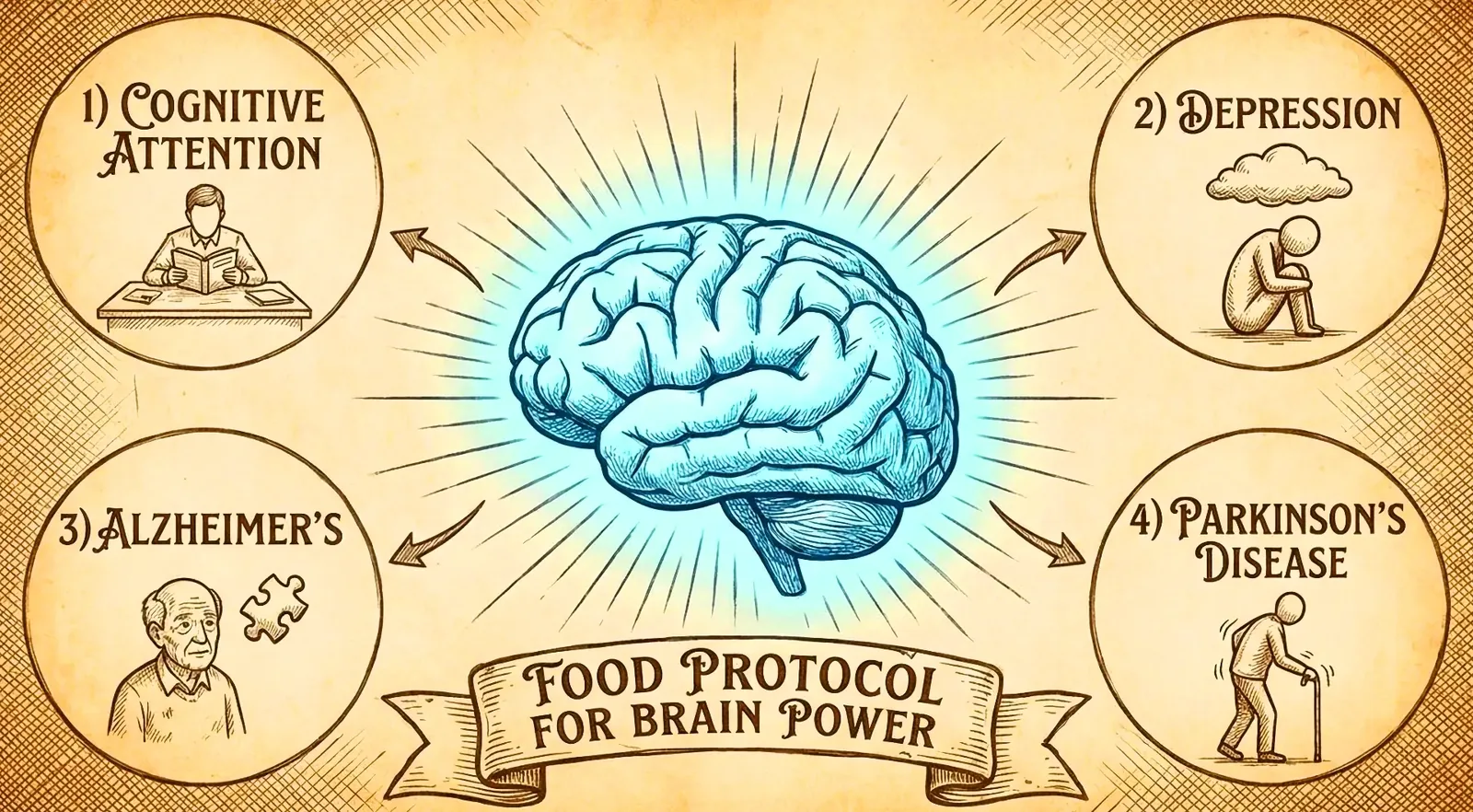
Oxidation and Cognitive Performance
The brain uses more oxygen than any other organ. As such, it is more vulnerable to the "tissue hardening process" known as OXIDATION. Like when a nail turns rusty, oxidation is now shown by science as the #1 driver of mental decline. In the extreme, Parkinson's disease begins in patients with low dopamine levels, which later leads to uncontrollable shaking. Science is now ultra-clear that Parkinson's occurs when the "dopamine-producing gland" itself begins hardening. A meta-analysis of 115 studies published in PLOS ONE concluded that people diagnosed with Depression across the board had higher blood levels of free radicals and lower Total AntiOxidant Capacity (TAC). Since oxidation is now 100% positively identified as the hidden driver of mental slowdown and neurological diseases, a Low-Free-Radical / High-Antioxidant Diet is the solution.
Fried Foods, Free Radicals, and Brain Health

Fried foods are the #1 worst free-radical offensive food, because they're cooked in extremely hot vegetable oil. A scientific club called "International 4-HydrOxynonal-CLUB" consists of literally 100s of published researchers. They meet annually in Europe to present the latest science on "oxidative free radicals". Findings clearly show that FRYING with canola and soybean oil generates a particularly high-oxidation type of free radical. It's abbreviated as 4HNE (4-HydrOxynonenal), but make no mistake!! It's the DEATH MOLECULE, hardening arteries and especially the brain. An easy first step to enhance cognitive performance, for kids in school and working adults, is stop eating all fried foods.
Red Carotenoids and Cognitive Health
RED CAROTENOIDS are part of the solution to cognitive decline, caused by FREE RADICALS.
Saffron, Crocin, and Safranal
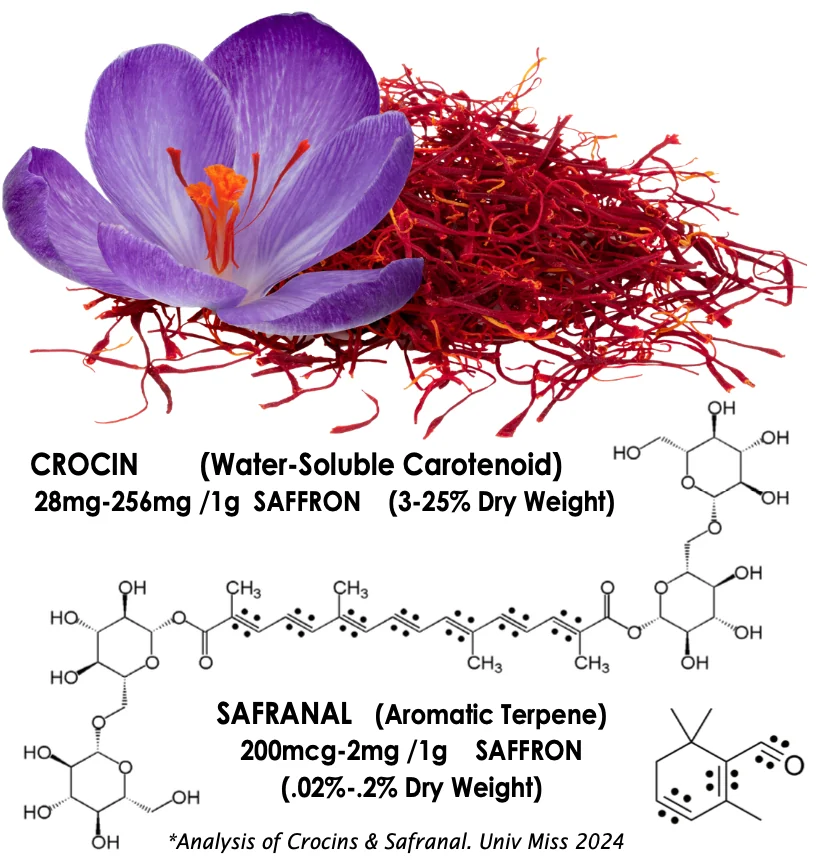
Saffron is the #1 herb currently leading in human research showing it definitely improves cognitive function. It's the most expensive herb on Earth, perhaps because it's plucked from a purple flower that yields only 3 stigmas. Aroma is special, like fresh rain. Its unique scent, which has inspired poetry, comes from a terpene called "Safranal". When cooking with saffron, this flavor enters rice or any food along with a bright orange color. Saffron's red stigmas melt over an ice cube, dissolve into cooking oils, and can be easily extracted with alcohol for beverages and medicinal tinctures. Carotenoid pigments are responsible for saffron's color, but it contains a unique carotenoid found nowhere else in nature. "Crocin" is the name given to saffron's carotenoid, but I've never seen anything like it in 20 years of studying carotenoids. Saffron has the only water-soluble carotenoid, and to my knowledge, it's the only carotenoid that actually crosses the blood-brain barrier.
Research on Saffron and Cognitive Function
In a groundbreaking triple-blind 2025 study from the British Medical Journal, Alzheimer's and Parkinson's patients who took saffron demonstrated improvement in cognitive impairment. Another study compared Ritalin, the attention-deficit medication, with saffron and found it had the same effectiveness as measured by the teacher-parent attention/hyperactivity Scale. A double blind study on "youth anxiety", published in the Journal of Affective Disorders, showed that taking just 14mg saffron daily for 8 weeks remarkably improved symptoms. Saffron's primary mechanism for mental and cognitive improvement likely comes from its unique antioxidants that cross the blood-brain barrier.
Basil, Linalool, and Eugenol
Basil and Mental Health Research
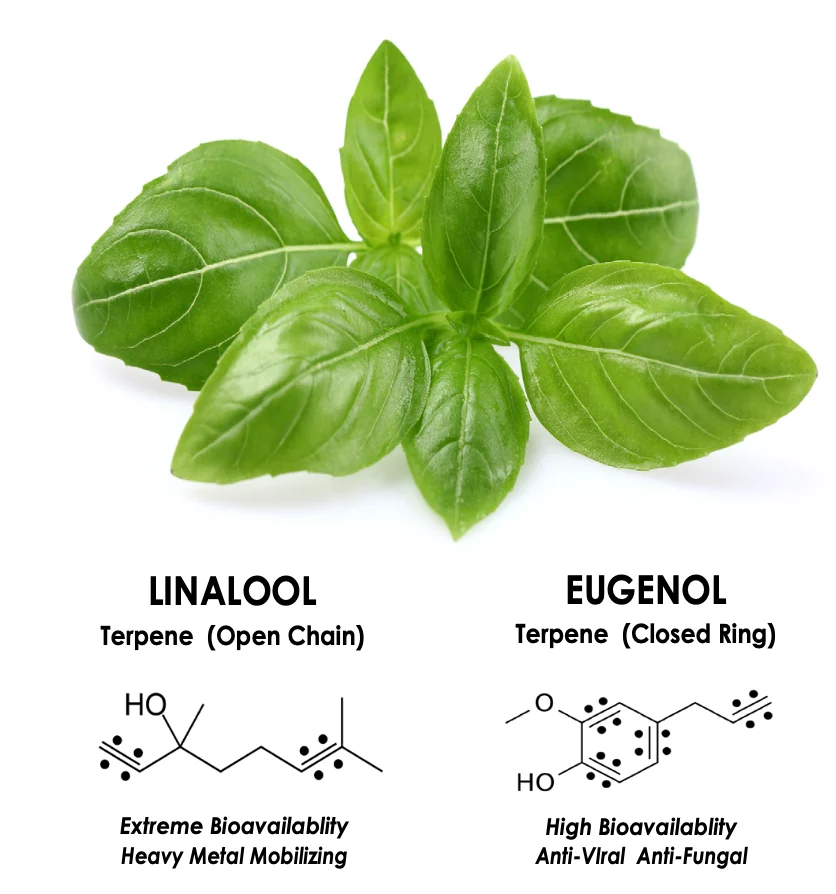
Basil is another top herb currently showing profound improvements for Major Depressive Disorder (MDD). In a groundbreaking 2025 study published in Brain Behavior, basil extract led to significant reductions in anxiety scores in people with severe cases. Aromatic Terpenes in basil (Linalool and Eugenol) act as antioxidants that protect the brain from oxidation and inflammation. Because aromatic terpenes are the smallest-sized antioxidants in nature, they can cross the blood-brain barrier and reach key areas. It is highly likely that depression is an "oxidative attack" on brain tissue, and the aromatic herbs in basil appear to be God's natural solution. I enjoy pesto (without nuts due to arginine) as the top food-based healing method to consume basil in its most potent form. For people who cannot make pesto at home, excellent basil tinctures are available.
Sugar, Carbohydrates, and Brain Fog
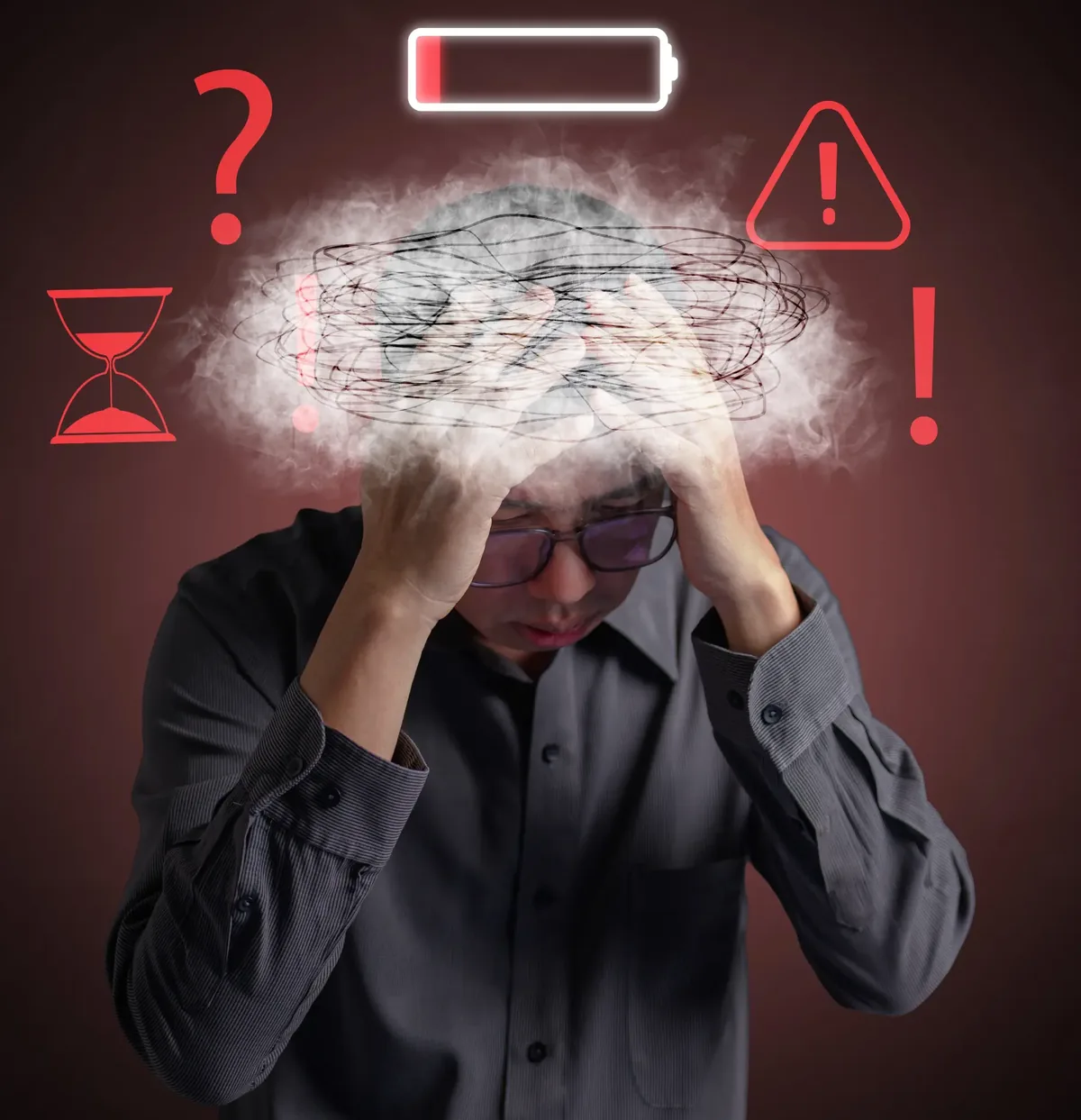
Sugar intake is undeniably correlated with cognitive decline and depression. When sugar or carbs are excessive, your pancreas overproduces insulin, causing BRAIN FOG. Many CEOs have testified that they went on "carbohydrate-restricted diets" and avoided sugar to obtain the peak mental performance they credit with their success. While low-calorie diets are not recommended because they can slow metabolism, cutting low-quality carbohydrates is a proven way to boost mental performance. For more details, see the 2026 edition of the Conquering ANY Disease book. www.Food-Healing.com
This article is for educational purposes only and is not intended to diagnose, treat, cure, or prevent disease. Consult a qualified healthcare professional regarding medical conditions and treatment decisions.