
Eye Health, Blue Light, and Oxidation
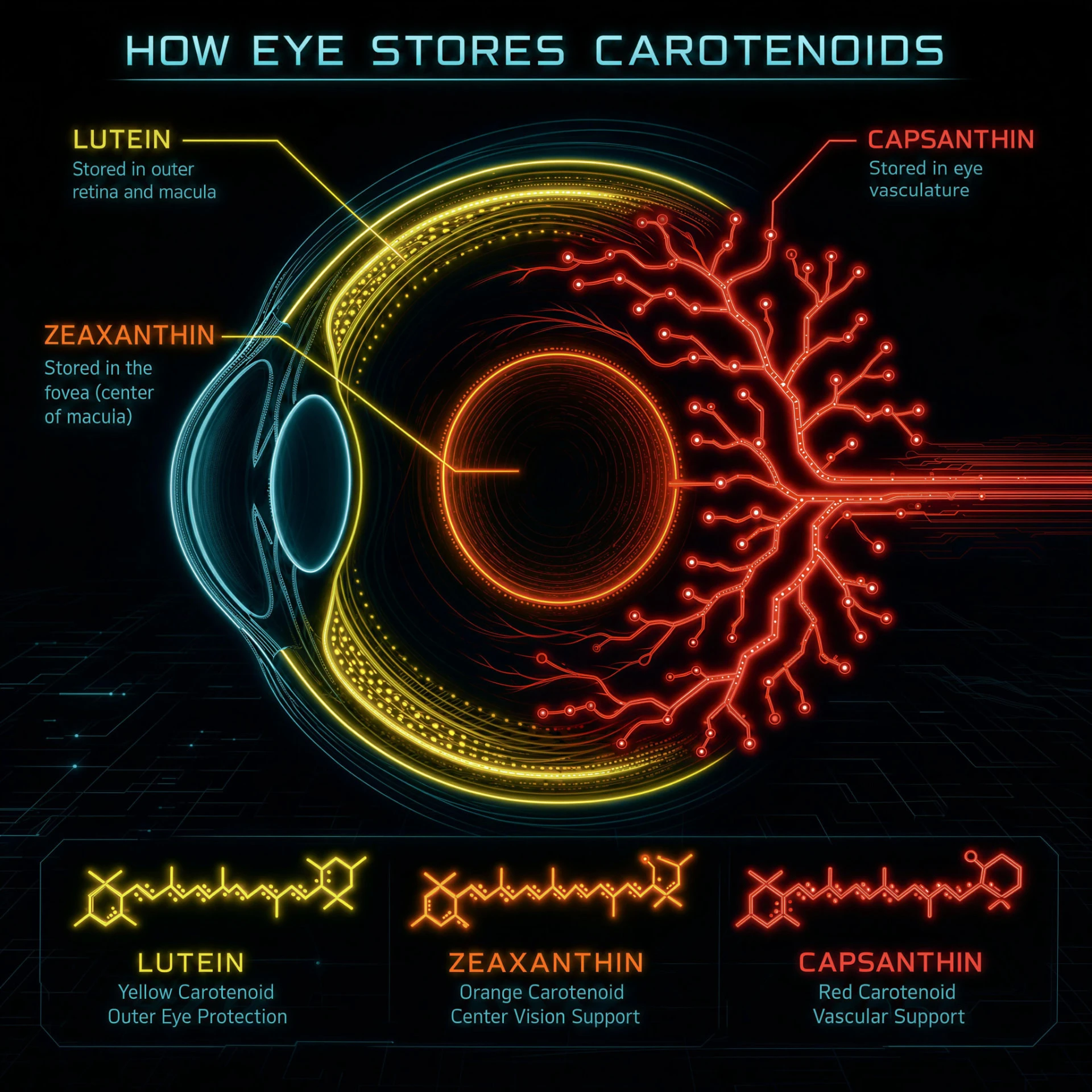
The Eye is a complex lens, and it uses more ATP Energy than any other organ. It's highly susceptible to oxidation by Blue Light, and therefore, it's naturally equipped with an Orange Filter at the macula to ensure your retina at the back of your eye isn't burned by blue light. Sadly, many children exhaust their orange filter at the macula and require corrective glasses. This can be solved nutritionally in many cases.
For several clients I've worked with, vision was improved with food, confirmed by an ophthalmologist. I'm 50 years of age, and I see perfectly without any glasses. My parents both required glasses at a much younger age. Eyesight is not only genetic; it's about stopping oxidation.
Eating Foods Proven to Increase MPOD (Macular Pigment Optical Density)
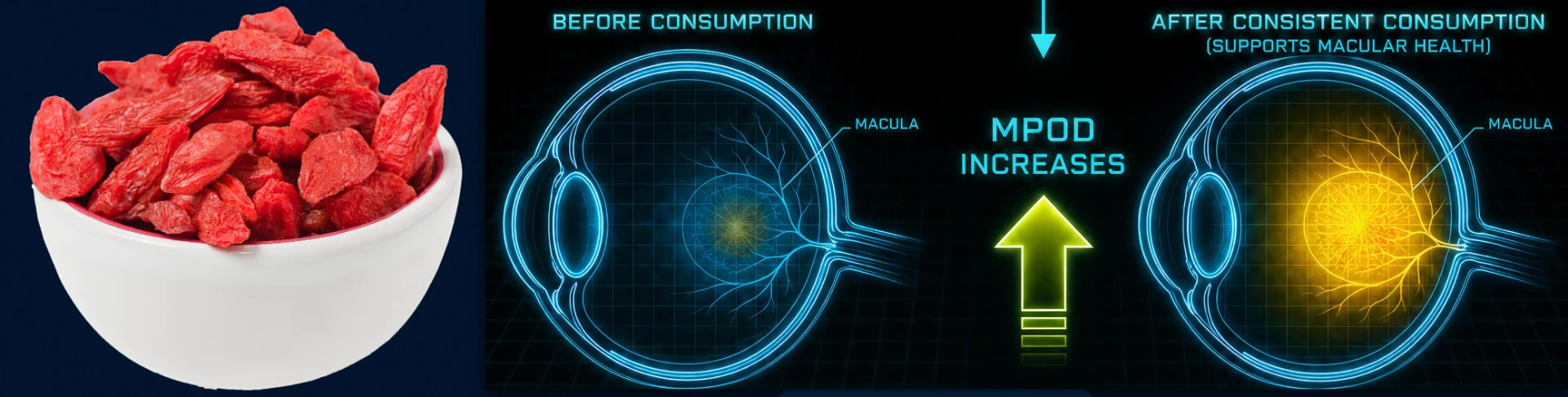
Goji Berries have been in my eye protocol since the beginning. A 2021 study published in Nutrients, called “Goji Berry Increases Macular Pigment,” shows it restores the orange filter in the eye's macula. You might be asking, why dried Goji Berries? Can I just eat orange carrots instead? Well, no. Carrots contain the carotenoid Beta-Carotene, but goji berries have a different orange carotenoid called Zeaxanthin.
Your macula only accepts Zeaxanthin into its center; it won't accept Beta-Carotene. Your eye tissue ignores other carotenoids and pulls Zeaxanthin from the bloodstream, concentrating it at a level 1000x higher than anywhere else in the human body. Crazy thing is, goji berries aren't even the highest food source of Zeaxanthin; it's the Orange Bell Pepper. According to a study published in the British Journal of Ophthalmology, Orange Bell Pepper was the vegetable with the highest amount of Zeaxanthin, comprising 37% of its total carotenoid content.
Orange Bell Pepper, Zeaxanthin, and Fresh Paste
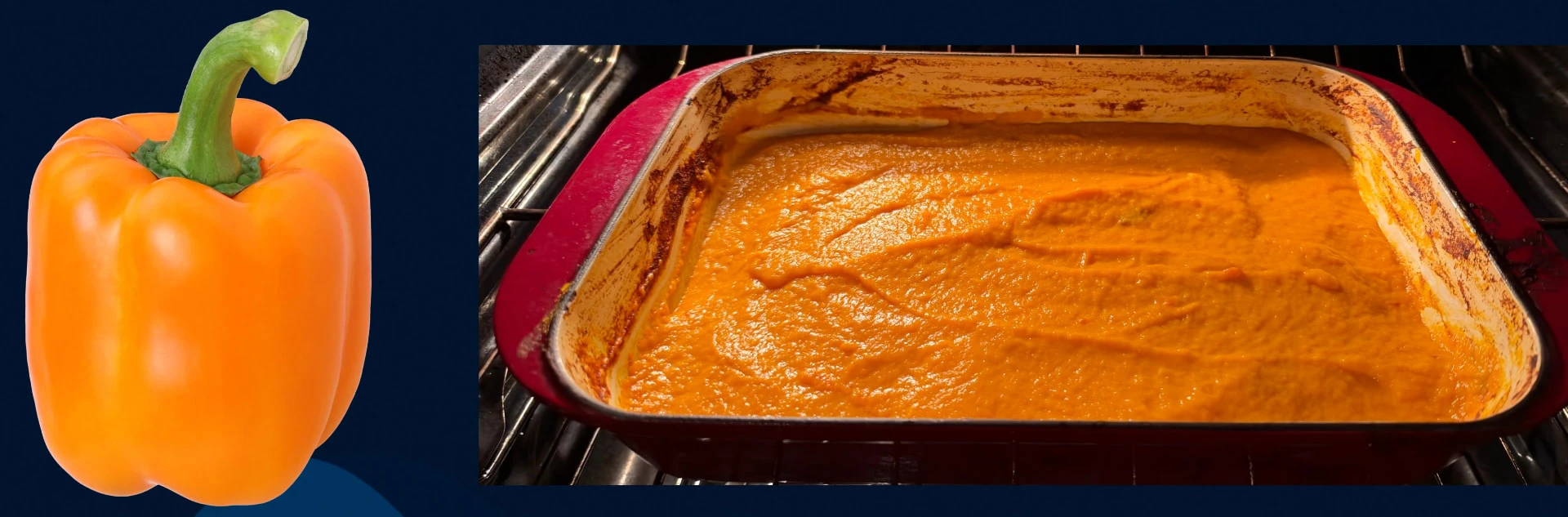
ZEAXANTHIN is more abundant in Orange Bell Pepper than in any food! Your EYES selectively absorb ZEAXANTHIN carotenoids. Concentrating Peppers into FRESH PASTE maximizes absorption and tastes delicious.
When you eat a raw bell pepper, you only absorb a fraction of the CAROTENOIDS. But when you “thermally activate” and condense whole peppers into a slow-simmered sweet pepper paste, you strip away water and break down plant cell walls. Total carotenoid payload from roasted (and peeled) peppers gets packed into a concentrated space. Your body can absorb fat-dissolved carotenoids almost instantly, making a single teaspoon of bell pepper paste far more powerful than eating it raw or cooked with skin.
Red and Orange Bell Pepper Paste
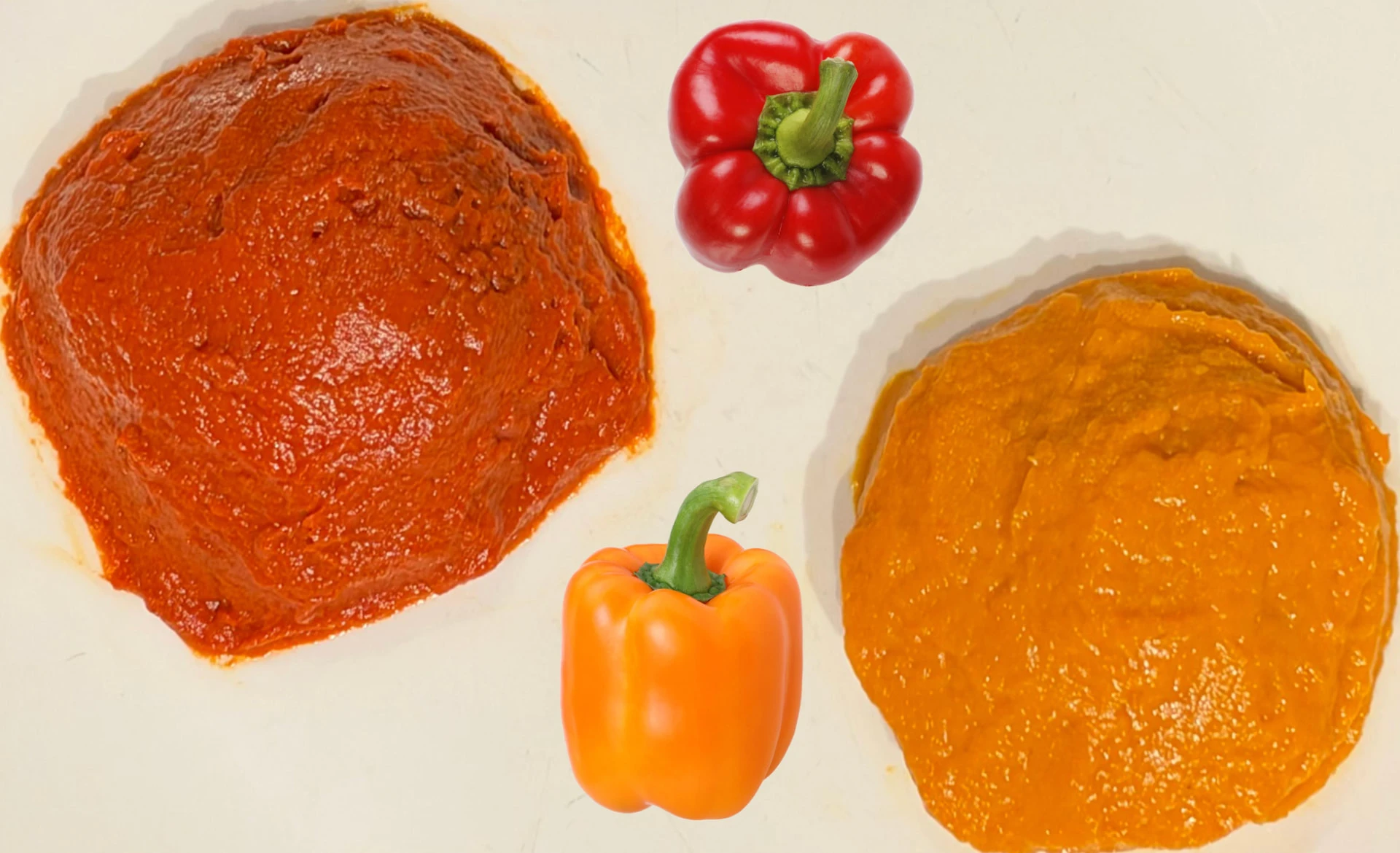
RED Bell Pepper Paste is the #1 source of CAPSANTHIN, a carotenoid shown in human studies to exert ANTI-GLAUCOMA effects.
ORANGE Bell Pepper Paste is the #1 source of ZEAXANTHIN, the orange filter that protects your Retina from harmful Blue Light.
Capsanthin and the Primack Pepper Paste Protocol
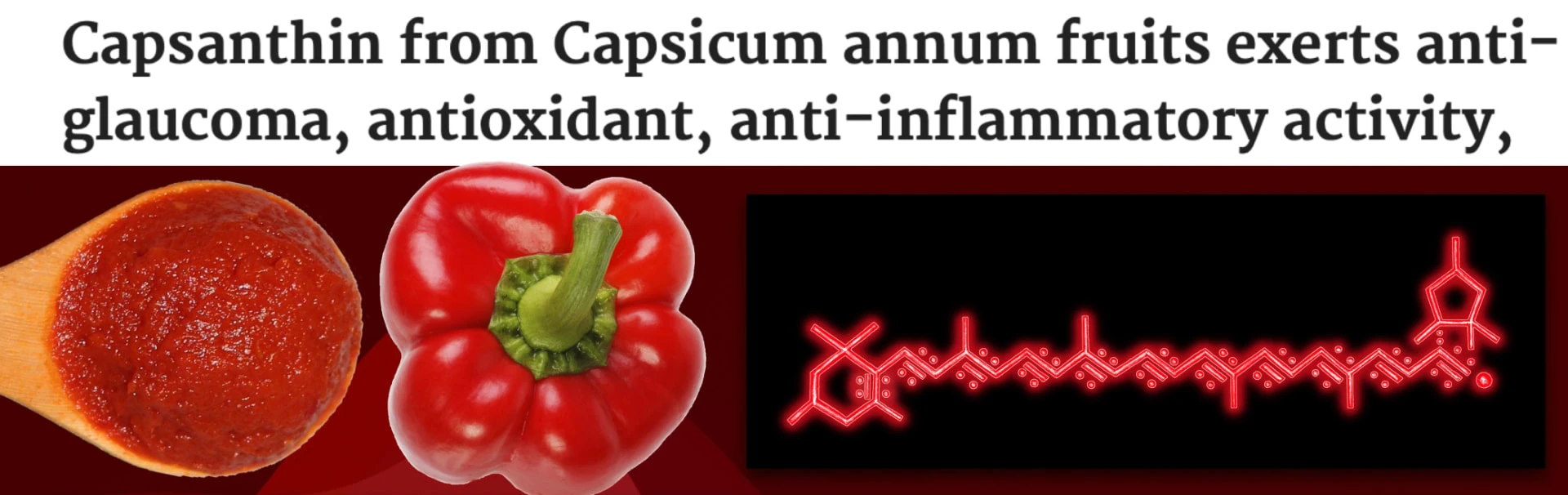
Red bell peppers are also important for eye health because of the “Race Car Red” carotenoid, CAPSANTHIN. A 2022 human study published in the Journal of Food Biochemistry showed that the red pepper carotenoid Capsanthin successfully healed dry eye disease and reduced ocular pressure from glaucoma!
I've made RED pepper paste 100s of times, sharing it with live audiences across the USA, but I only recently began making ORANGE paste. When I discovered the eye macula's selectivity in accepting only Zeaxanthin, not other orange carotenoids like Beta-Carotene, I realized I needed to use both colors of peppers.
For complete instructions on making Primack Pepper Paste (PPP) see the 2026 edition Conquering ANY Disease book. www.Food-Healing.com
This article presents the author's dietary approach for educational purposes and does not constitute medical advice. Food does not replace corrective lenses, prescribed eye drops, or professional eye care. Glaucoma and changes in vision should be assessed by an ophthalmologist; do not stop prescribed treatment based on this article.