
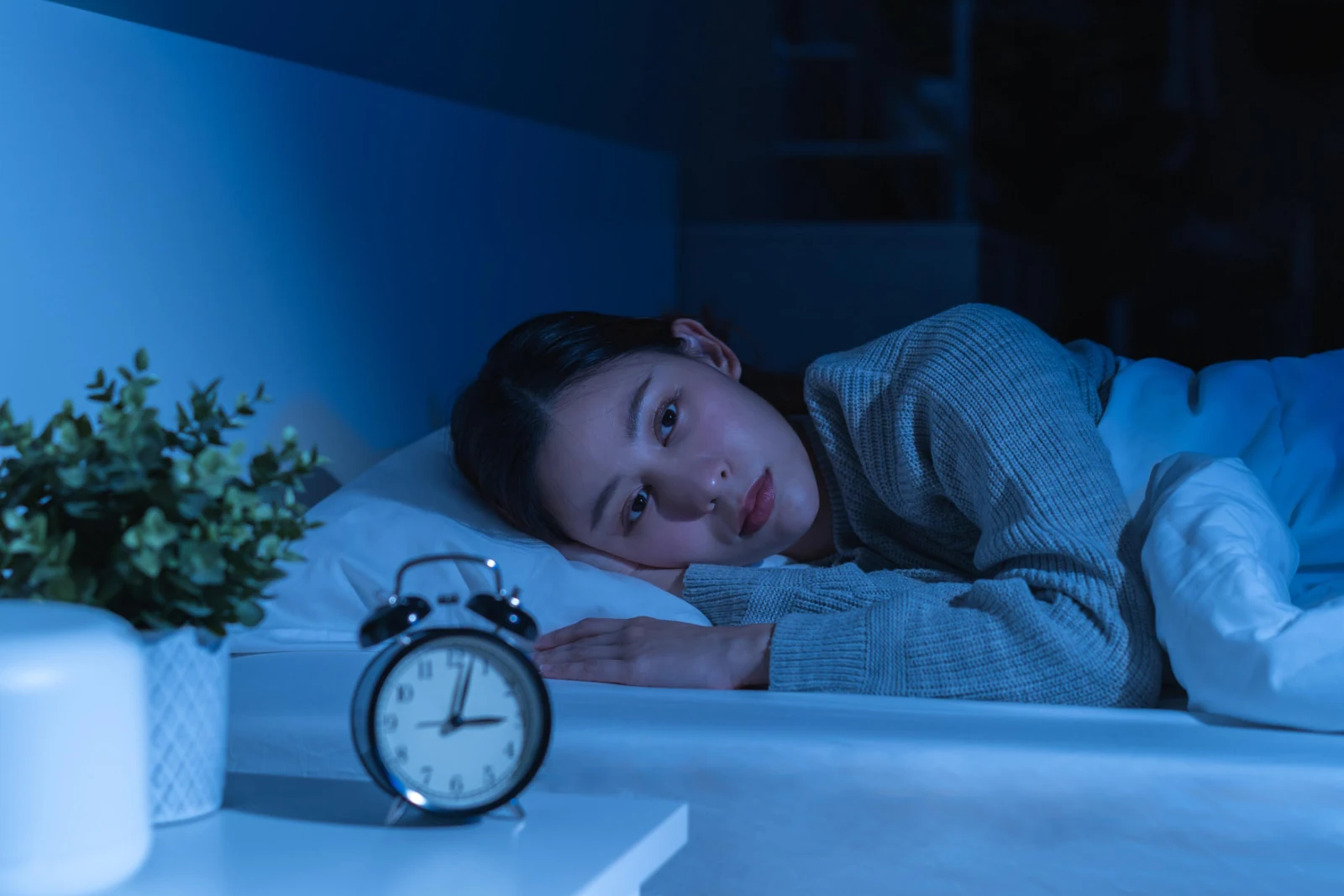
Blue Light, Melatonin, and Sleep Quality
Blue light is known to suppress melatonin, the anti-aging “sleep hormone” secreted by your pineal gland. In a 2026 study called The Effects of Blue Light from Technology, researchers concluded blue light from digital devices significantly impairs sleep in teens and young adults. In another landmark study, the American Journal of Managed Care tested exposing people to blue light (464nm) or red light (631nm) for 3 hours before bedtime. The blue-light-exposed group showed aggressive melatonin suppression, and the red-light group showed 400% higher melatonin levels! So, before discussing foods that contain melatonin, it's equally important to shift away from blue light in evening hours.
How Phone Light Affects Sleep
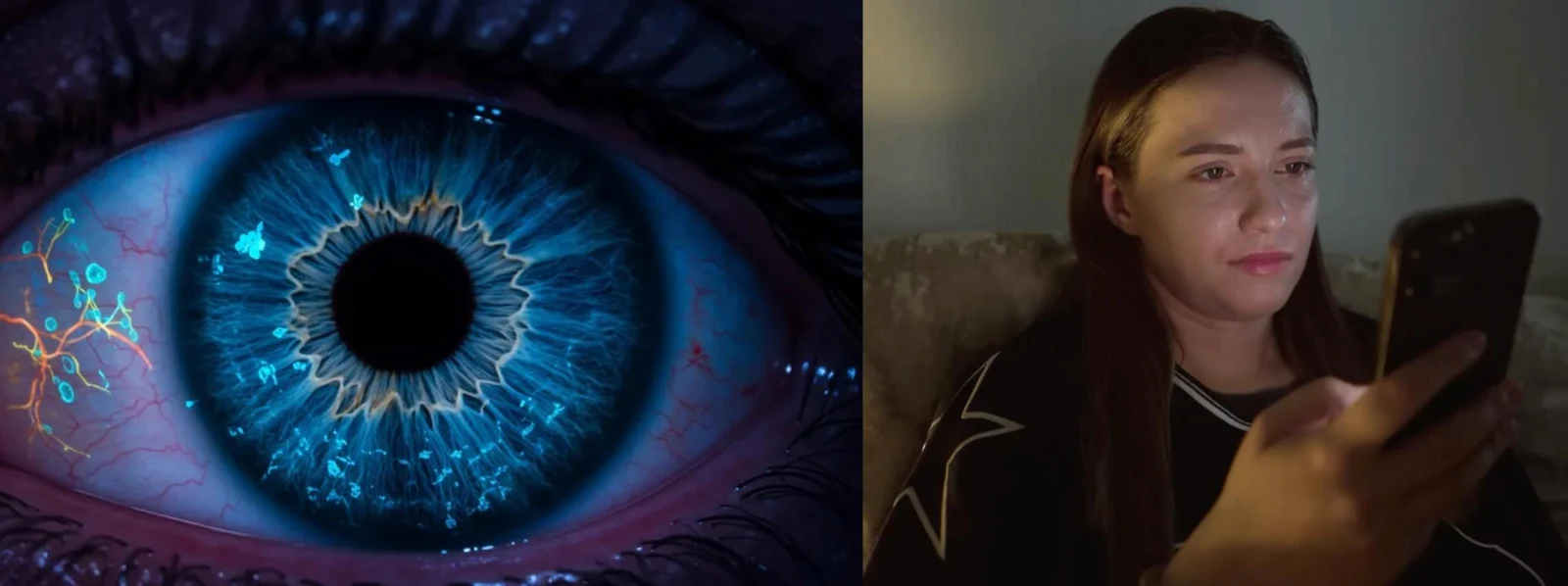
BLUE LIGHT from phones and digital screens can interfere with natural melatonin production. Switching your screen to warmer, yellow-toned colors during evening hours may support healthier sleep habits.
REM Sleep, Dreaming, and Restorative Rest

Rapid Eye Movement (REM) sleep means your body is “dreaming” and rewiring. Generally, older adults get less REM sleep than teenagers and children. This matches reports from most people that they used to dream more vividly earlier in their life. Qigong and breathwork are well-documented to increase lucid dreaming. I would use your dream recall, or lack of dreams, as a gauge of whether your sleep is truly productive.
One way to get more REM sleep is to have tea before bedtime. Butterfly Pea is the bluest tea I ever did see. It has unique anthocyanin pigments that increase GABA in your brain. A recent human study published in the Indonesian Journal of Medicine showed it modestly improved sleep scores. My students report that drinking butterfly pea flower tea at night helps increase the vividness of their dreams, suggesting it may increase REM sleep.
Butterfly Pea Flower Tea and Sleep

BUTTERFLY PEA flower is a perfect sleep-enhancement tea. Its unique anthocyanin pigments are shown to raise your brain's GABA production.
Kiwi Fruit and Sleep Quality

Kiwi is a major superstar when it comes to proven sleep support. Multiple human studies prove it contains the actual melatonin molecule, 2.4mg per 100 grams of kiwi. The most important study was published in 2023 in Nutrients, titled “Kiwi on Sleep and Recovery in Athletes,” showing that eating 2 kiwis before bed led to clinically significant improvements in sleep quality and duration, with fewer awakenings in the night.
With so many people on sleep medications, trying kiwi fruit is a logical step. Unlike melatonin supplements, shown to increase heart disease risk (American Heart Association, 2025) Kiwi is a natural melatonin source, created by God, with no side effects.
Sleep Hygiene: Creating a Better Bedtime Routine
Sleep Hygiene describes a variety of factors. First, having your bedroom lighting shifted to amber/yellow versus white is a major game changer.
Second, turn all phones and devices in your room to “airplane mode” 30 minutes before bed to limit EMF input.
Lastly, if you do wake up, don't look at a phone. Use a Red-Lit clock to see the time and use a red nightlight so you can see at night without sacrificing your precious Melatonin.
If you're stuck awake overthinking, I suggest “Counting Breaths”: inhale for a count of 5, hold your breath for 3 seconds, and exhale for a count of 5.
Counting Breaths: A Simple Bedtime Breathing Exercise
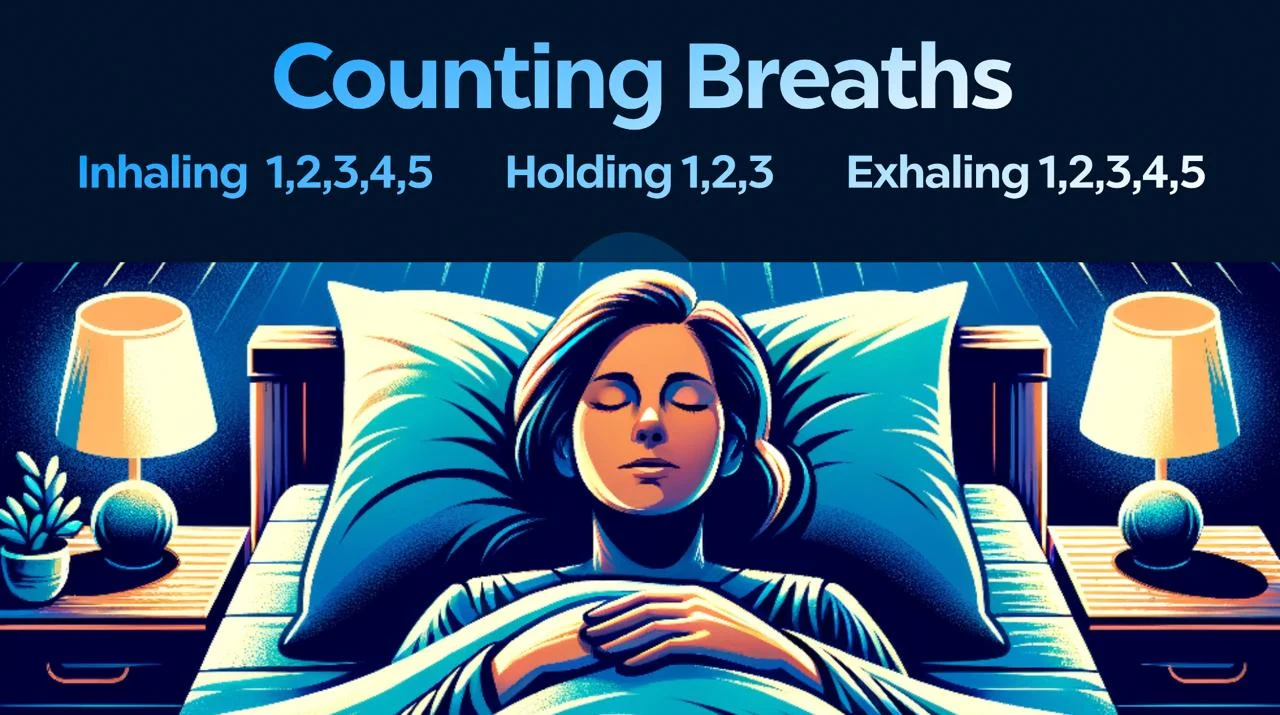
The 5-3-5 Breathing Technique
- Step 1 — InhaleBreathe in gently for a count of five.
- Step 2 — HoldComfortably hold your breath for three seconds.
- Step 3 — ExhaleSlowly exhale for a count of five.
Repeat the cycle at a comfortable pace.
Avoid straining or forcing the breath. If holding your breath causes discomfort, skip the hold and return to natural breathing.
Planning for proper sleep hygiene in your bedroom and falling back asleep with a proven plan is important.
For more foods and information about sleep improvement and insomnia, see the 2026 edition Conquering ANY Disease book.
www.Food-Healing.com
This article is for educational purposes only and does not constitute medical advice. Persistent insomnia or sleep disturbances should be discussed with a qualified healthcare professional.