

Diabetes, COVID-19, and Insulin Resistance
Diabetes has become a growing concern since the COVID pandemic. Published in Frontiers Endocrinology, a review reported a 64% greater risk of new-onset diabetes in people who had COVID compared with people who had not; this included both Type 1 and Type 2 diabetes and describes an association, not proof of pancreatic injury. [1] These findings raise questions about the relationship between COVID-19, pancreatic function, and metabolic health. Another study published in Heliyon reported insulin resistance in some patients following COVID-19 infection. Researchers continue to investigate how COVID-19 may affect insulin sensitivity and blood sugar regulation. Now more than ever, it's important to support healthy blood sugar regulation through nutrition alongside appropriate medical care.
Bitter Melon and Blood Sugar Regulation
BITTER MELON: Exploring Its Potential Role in Blood Sugar Regulation and Metabolic Health.
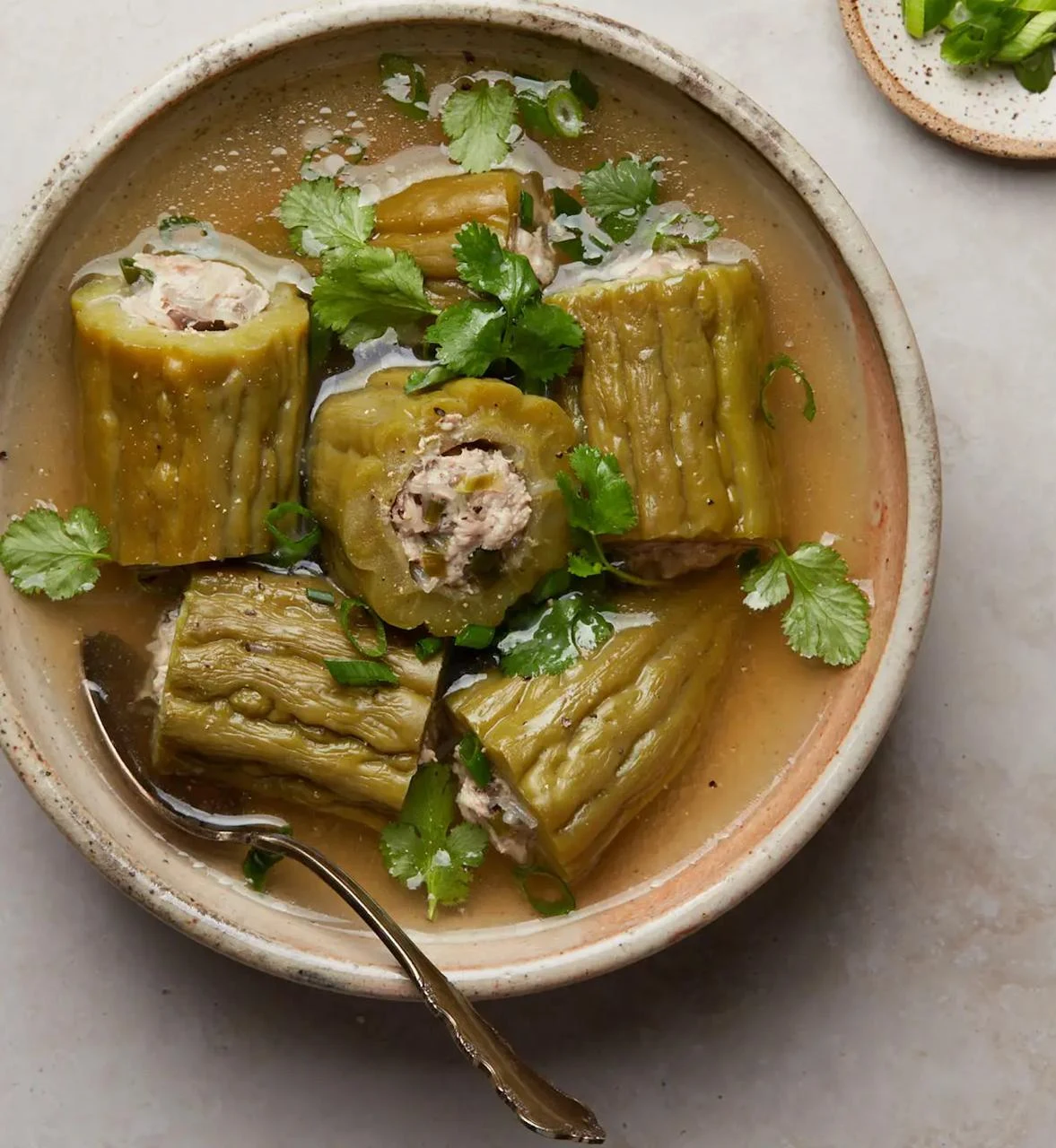
Bitter Melon, P-Insulin, and Metformin Research
Carbohydrate restriction may be helpful for blood sugar management, but body-fat loss depends on more than insulin levels alone. Bitter Melon contains a compound called P-INSULIN, a complex peptide chain of amino acids that has been studied for insulin-like activity; this does not establish that eating bitter melon has the same effects as prescribed insulin. I've been recommending bitter melon as part of a nutrition-focused approach to metabolic wellness for over 20 years, particularly for people interested in supporting healthy blood sugar regulation. A human study cited in the Journal of Ethnopharmacology reported improvements in "Fasting Glucose" that weren't observed in placebo groups, although the exact study citation requires editorial verification. Another study compared bitter melon with the diabetes medicine Metformin and found a modest glucose-lowering effect with bitter melon that was less than Metformin's. This does not make bitter melon an equivalent substitute for medication. [2]
Bananas, Fruit Sugar, and Weight Loss

Banana consumption was associated with islet autoimmunity in genetically susceptible children in research led by the Finnish Institute for Health and Welfare. Some berry consumption was associated with lower diabetes-related risk, but these observational findings do not show that bananas cause diabetes or that strawberries, blueberries, and raspberries prevent it. They concern Type 1 diabetes risk in children, not a demonstrated strategy for preventing Type 2 diabetes in adults. [3] [4] I tend to avoid bananas in my own approach and prefer lower-glycemic fruits, like berries and kiwi. Blood sugar responses vary with ripeness, portion size, the rest of the meal, and the individual; dried fruit can also provide a concentrated source of sugars. FRUCTOSE (named for being high in fruit) is worth discussing in context when people are trying to lose weight, particularly when consumed as added sugar. While fruit contains important antioxidants, fiber, and vitamins, overall food choices and portions may contribute to why some people struggle to lose weight. Insulin influences fat storage, but weight loss is not determined by insulin alone. Reducing excess added sugar may support a balanced eating pattern and healthy weight management; whole fruit does not need to be excluded categorically.
Thermogenesis, Body Fat, and Food Sequencing
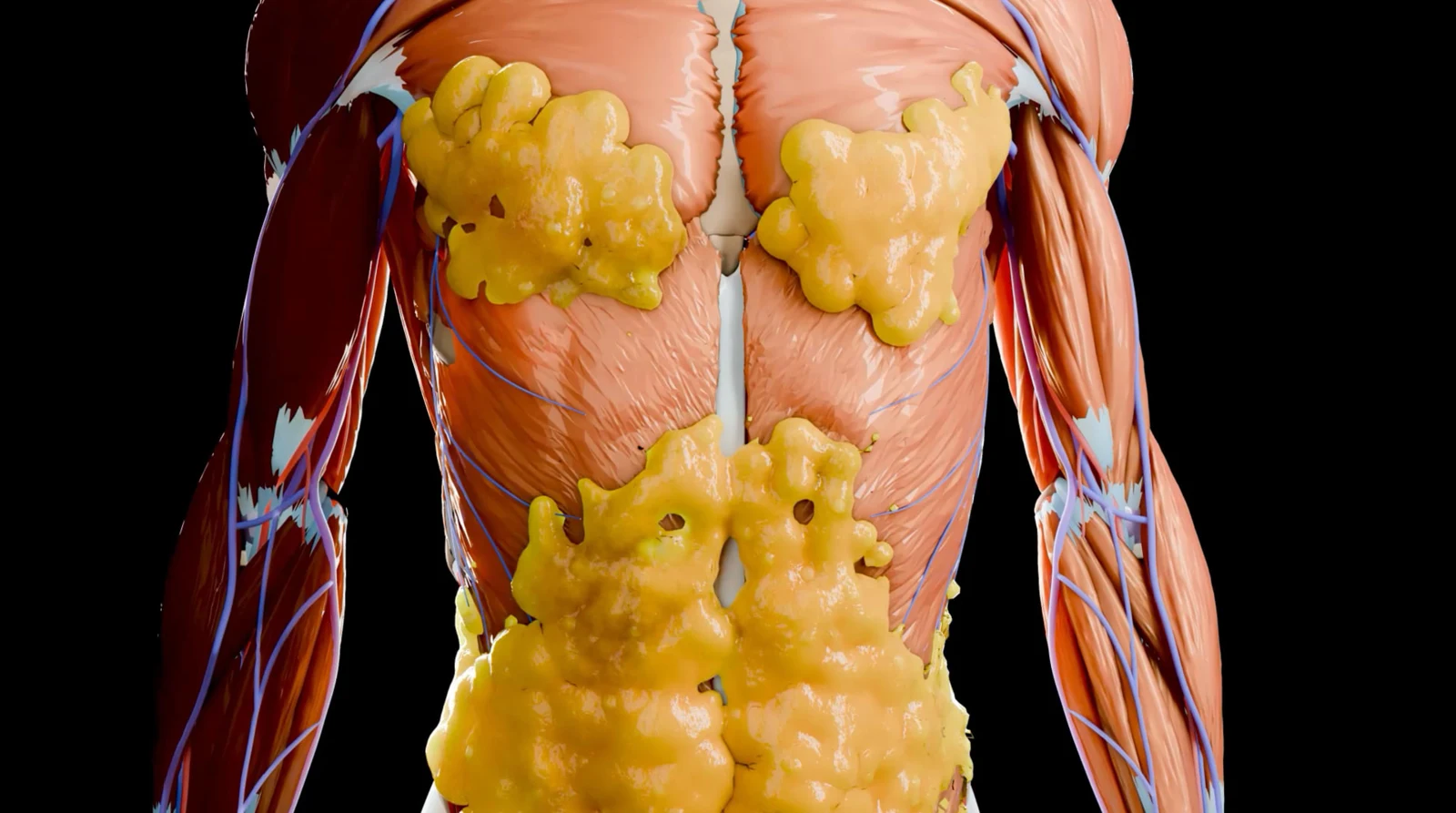
"Thermogenesis" is your body's production of heat through energy use, rather than simply another name for breaking down adipose fat tissue. EXCESS BODY FAT can place additional strain on joints and is associated with increased cardiovascular risk. To support healthy weight management, I suggest wild fish and other protein foods, vegetables, and appropriate portions of lower-glycemic fruits. Additionally, sequencing the order you eat proteins, vegetables, and carbs has been studied for its impact on blood sugar after a meal. A study published in DIABETES CARE reported that the magnitude of the effect of FOOD ORDER on glucose levels was comparable to that observed with pharmacological agents in the studied setting; this does not establish that food sequencing replaces diabetes medication or directly prevents fat storage. So, I suggest eating the veggies and protein before the potatoes, as one part of an individualized nutrition plan.
GLP-1 Medications, Weight Loss, and Bone Health
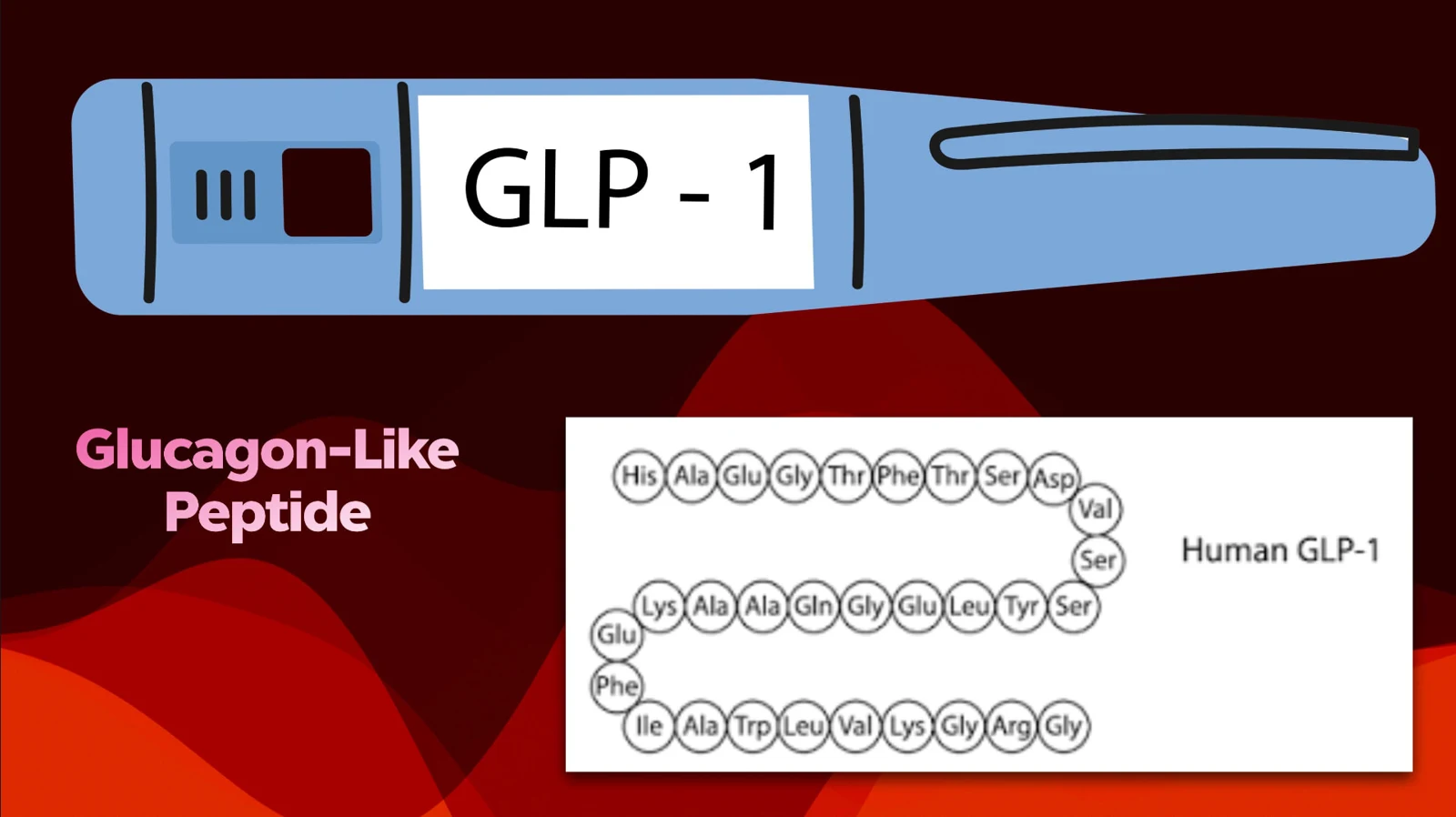
GLP-1s have transformed the weight-loss industry. While my personal focus is on food-based approaches, several clients I know and family members have made clear progress with GLPs under medical care. After losing a major amount of weight, some people can walk farther and with less pain. Certain GLP-1 medications have been shown to reduce cardiovascular events in specific at-risk populations, but benefits vary by medication and patient. Gastrointestinal issues are recognized side effects, and researchers are investigating how rapid weight loss and GLP-1 treatment may affect BONE HEALTH. Current evidence does not establish that all GLP-1 medications cause bone loss in every patient. [5]
The 2026 study cited in my original draft, attributed to the Journal of Endocrinology and Metabolism, describes decreases in hip (2.6%) and lumbar spine (2.1%) bone mineral density in non-diabetic patients over 1 year. The draft compares these with annual adult bone loss of .5%–1%. These figures and the exact study reference have not yet been verified and should not be treated as established findings or a general prediction for people taking GLP-1 medications. Rapid weight loss may contribute to bone changes, but the explanation cannot be confirmed from this incomplete citation.
I suggest people who use GLP-1 medications discuss bone-supporting nutrition, physical activity, and appropriate monitoring with their healthcare professional. My Bone-Building food protocol may offer ideas for nutrition-focused support, but it cannot guarantee that new bone is always being built rather than lost. For details, see the 2026 edition Conquering ANY Disease book. www.Food-Healing.com
Research References & Editorial Notes
- Understanding the interplay between COVID-19 and diabetes: insights for the post-pandemic era. Frontiers in Endocrinology, 2025. The 64% estimate includes both Type 1 and Type 2 diabetes.
- Hypoglycemic effect of bitter melon compared with metformin in newly diagnosed type 2 diabetes patients. Journal of Ethnopharmacology, 2011.
- Food Consumption and Risk of Islet Autoimmunity and Type 1 Diabetes in Children at Increased Genetic Susceptibility for Type 1 Diabetes. The Journal of Nutrition, 2024.
- Fruit, berry, and vegetable consumption and the risk of islet autoimmunity and type 1 diabetes in children. The American Journal of Clinical Nutrition, 2024.
- Effects of Glucagon-Like Peptide-1 receptor agonists on bone health in people living with obesity. 2025 review; bone-health evidence remains limited.
Editorial review pending: the original Heliyon insulin-resistance citation, the placebo-controlled Journal of Ethnopharmacology fasting-glucose citation, the exact Diabetes Care food-order citation, and the 2026 bone-density study and comparison figures need complete bibliographic details. The unverified bone-density percentages above are retained from the author's draft, not independently confirmed clinical findings.
Read Foods for Cognitive Performance for another article in this series.
This article is provided for educational and informational purposes only and does not constitute medical advice. Dietary changes, herbs, and supplements should not replace prescribed diabetes treatments. Consult a qualified healthcare professional before changing medications or managing medical conditions.